Countdown:
Paper submission due:
November 30, 2026
Paper acceptance due:
December 31, 2026
Registration deadline:
January 31, 2027
Conference date:
April 9-11, 2027
-
General Chair
Huosheng Hu, University of Essex, UK.
Co-Chair
Jinsong Wu, University of Chile, Chile.
-
Email:
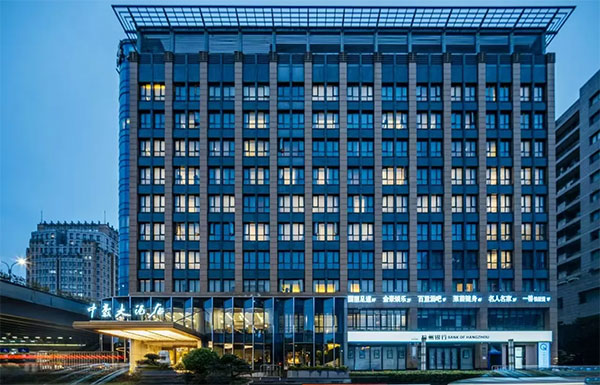
Zonhow Hotel Hangzhou
Address: No. 76 Qiutao North Road, Shangcheng District, Hangzhou, Zhejiang, 310020, China
Traffic: Zonhow Hotel Hangzhou is 530 meters from Qingchun Plaza Metro Station, 5 km from Hangzhou East Railway Station, and 24.6 km from Hangzhou Xiaoshan International Airport.
Hangzhou
Hangzhou, the capital and economic, cultural, scientific, and educational center of Zhejiang Province, is a core city in the Yangtze River Delta. Long renowned as the "Paradise on Earth" from the ancient Chinese proverb "Just as there is paradise in heaven, there are Suzhou and Hangzhou on earth", this city has captivated people from all over the world for centuries with its unparalleled blend of natural beauty and profound cultural heritage. As one of the first batch of National Historical and Cultural Towns approved by the State Council, it stands at the intersection of the Silk Road Economic Belt and the 21st Century Maritime Silk Road, serving as a strategic hub along the Online Silk Road.
West Lake Scenic Area
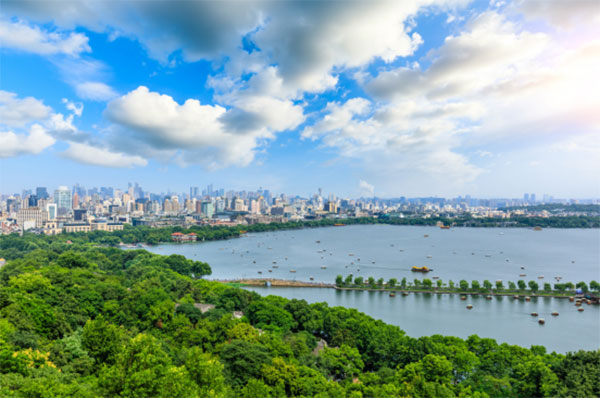
West Lake Scenic Area, the crown jewel of Hangzhou, is a UNESCO World Heritage Site and the city's most iconic landmark. Covering an area of 6.39 square kilometers, the lake is surrounded by lush hills and dotted with ancient pagodas, bridges, gardens and islands. It is divided into five sections by three historic causeways, creating a serene landscape that has inspired poets and artists for over a thousand years.
The lake is famous for its "Ten Scenes of West Lake", each presenting unique beauty in different seasons. Visitors can stroll along the 15-kilometer lakeside path, rent a traditional wooden boat to visit the Three Pools Mirroring the Moon, or enjoy the lotus flowers in summer and plum blossoms in winter. Best of all, the core scenic area of West Lake is open to the public for free all year round.
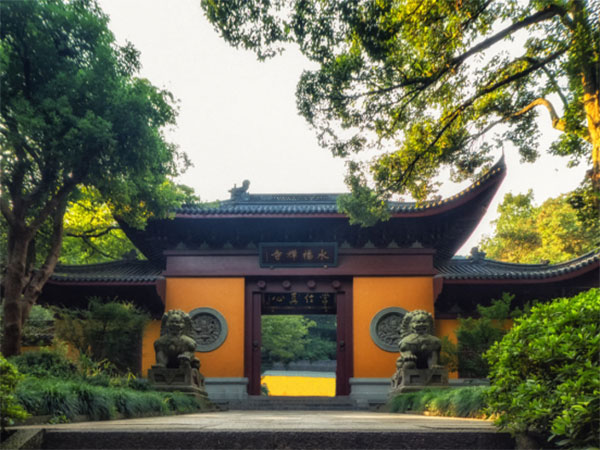
LingYin Temple
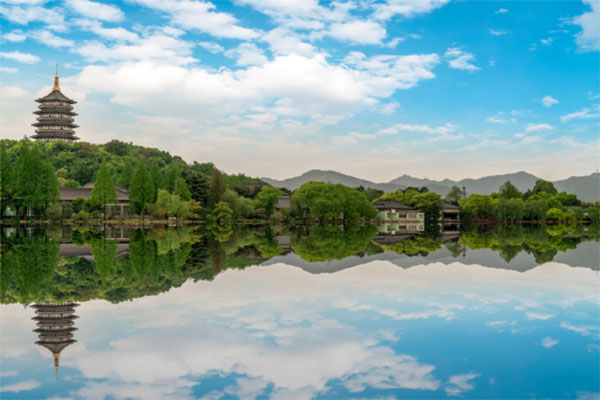
LingYin Temple, also known as the Temple of the Soul's Retreat, is one of the oldest and most prestigious Buddhist temples in China. Founded in 326 AD during the Eastern Jin Dynasty by an Indian monk Huili, it has a history of nearly 1,700 years, making it one of the top ten ancient Zen temples in China.
Nestled at the foot of Lingyin Mountain, west of West Lake, the temple is surrounded by lush ancient trees and misty mountains, facing the famous Feilai Peak (Peak that Flew Here) with its ancient grottoes. The temple complex includes the Hall of Heavenly Kings, the Mahavira Hall, and the Hall of Medicine Buddha, housing exquisite Buddhist statues and cultural relics from various dynasties. It is also the legendary place where the famous monk Ji Gong (the Mad Monk) became ordained, attracting numerous pilgrims and tourists every year.
Thousand Island Lake
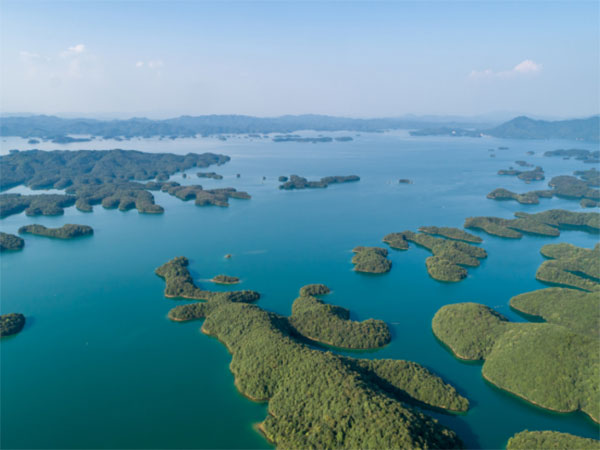
Thousand Island Lake, or Thousand Island Lake, is a stunning artificial lake located in Chun'an County, Hangzhou. It was formed in 1959 with the construction of the Xin'an River Hydropower Station, which submerged the ancient valleys and towns, turning 1,078 mountain peaks into islands scattered across the lake, hence the name.
Covering a lake area of 573 square kilometers, the lake is renowned for its crystal-clear water, with a transparency of up to 12 meters, which is among the highest in China's freshwater lakes. It is also the source of Nongfu Spring, one of China's most famous bottled water brands. Surrounded by rolling mountains with a forest coverage rate of over 90%, the lake offers a peaceful escape from the hustle and bustle of the city. Visitors can take a cruise to explore the islands, enjoy fresh local fish, or just relax by the lake to immerse themselves in the natural beauty.